The vintage watch market is a landscape defined by romantic history and dangerous pitfalls. Unlike purchasing a modern timepiece from an authorized dealer, buying vintage requires an investigative mindset. Every scratch, faded dial, and replacement part tells a story—but not all stories are honest.
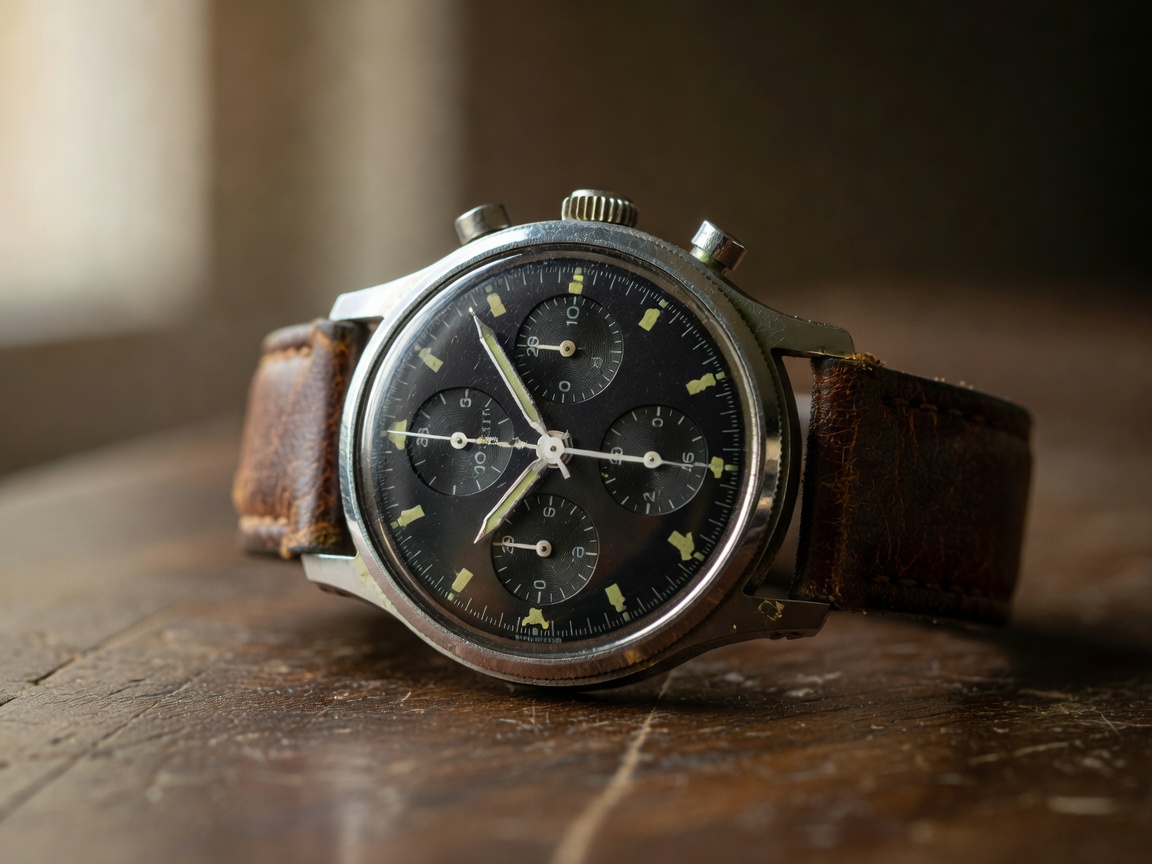
The Premium of Originality
In the world of vintage horology, originality is paramount. A watch with a heavily scratched but original case will almost always command a higher premium than a case that has been aggressively polished to look new. Polishing removes metal and alters the original geometry designed by the manufacturer.
The dial is typically where the majority of a vintage watch's value lies. Collectors look for dials that have aged naturally over time—a process often referred to as developing 'patina'. When a black dial fades to a rich chocolate brown due to UV exposure and minor manufacturing defects, it is prized as a 'tropical' dial.
The Threat of the Frankenwatch
A 'frankenwatch' is a timepiece assembled from parts of various watches, or fitted with aftermarket components disguised as original. Because minor details (like the font of a specific line of text on the dial) can drastically alter a watch's value, unscrupulous sellers may swap parts to create a more desirable configuration.
Key Inspection Points:
- Lume Consistency: The luminous material on the hands should match the color and degradation of the hour markers on the dial. If the hands glow brightly in the dark but the dial markers do not, the hands have likely been replaced.
- Reference and Serial Numbers: Ensure the serial number engraved on the case aligns chronologically with the specific dial variation and movement type.
- Service History: Documentation proving a watch was serviced by the original manufacturer or a highly respected independent watchmaker adds significant confidence and value.
Where to Buy
Auction houses remain the premier venue for highly significant pieces with unquestionable provenance, though buyers must account for substantial buyer's premiums. Reputable vintage dealers offer a safer, curated experience, often providing their own warranties and authenticity guarantees. Buying privately via forums or online marketplaces carries the highest risk and demands the highest level of personal expertise.
When entering the vintage market, the golden rule applies: "Buy the seller, not just the watch." Establishing a relationship with a trusted dealer is the best defense against making an expensive mistake.